
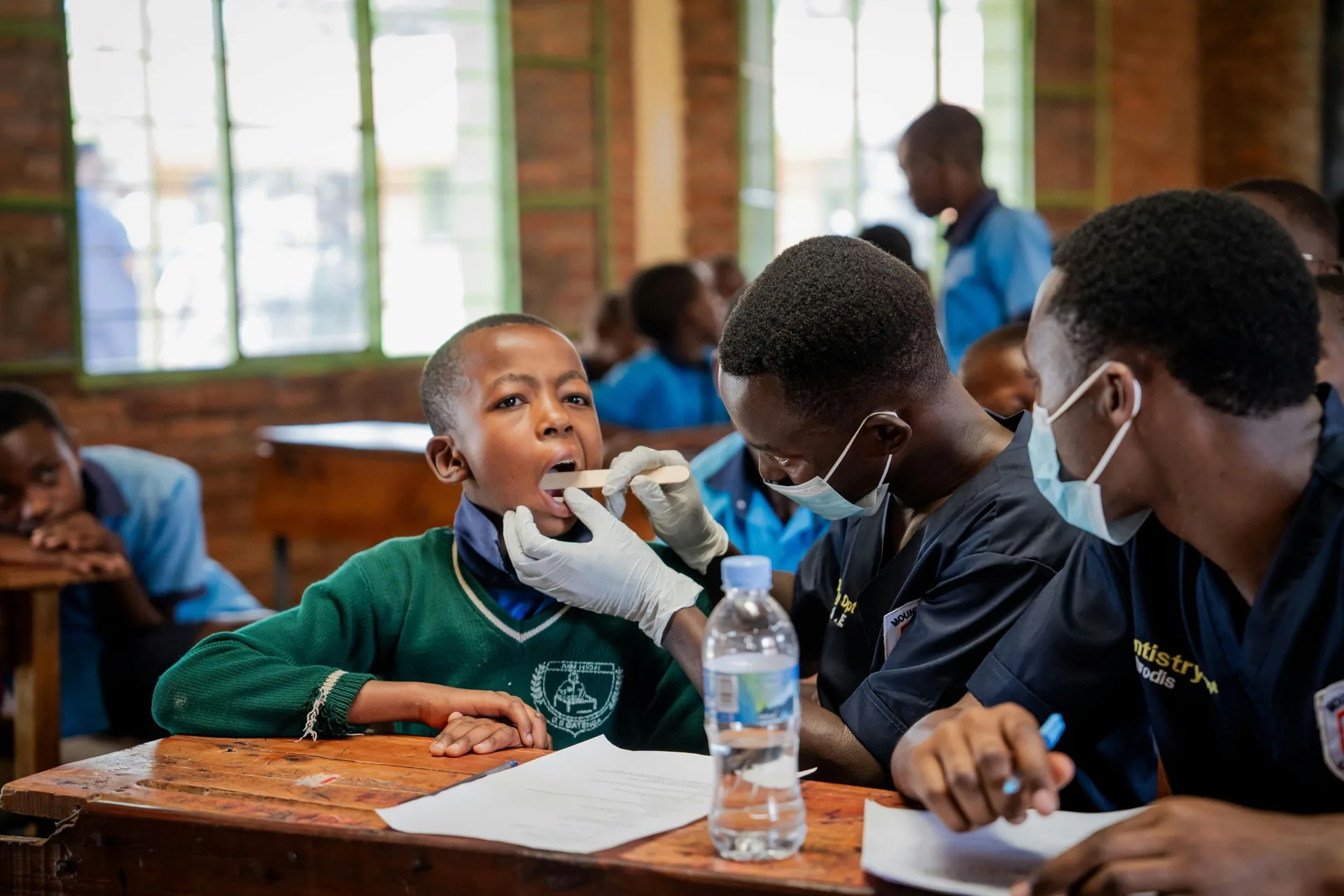
What Is Community-based Health?
Community-based health brings care directly to where people live — not waiting for them to reach a hospital that may be hours away. In Burundi, where hospital density is low and rural populations are large, community-level programs are not a supplement to the health system. They are a core part of it.
Our programs are designed with local governments, community leaders, and community members. Health programs only work if communities help design and run them. Every program uses local language, local knowledge, and local ownership from the start.
Why Community Health Matters in Burundi
In Burundi, geography, poverty, and limited infrastructure prevent most people from reaching a formal health facility regularly — particularly women, children, and older people. The result is a high burden of preventable disease.
Community Health Workers (CHWs) are trusted local figures who reach households the formal health system cannot. Equipping them with protocols, training, and digital tools directly closes the gap between health need and health access in Burundi.
Our Core Programs
Future Health plans to operate mobile clinics on scheduled routes to remote and peri-urban communities. Each unit is staffed by a nurse, community health officer, and health educator. Routes are set with community health committees to reflect actual demand.
- Primary care consultations and triage
- Maternal and antenatal care check-ups
- Childhood immunizations (measles, BCG, oral polio)
- Rapid diagnostic testing for malaria, HIV, and TB
- Essential medicines from a WHO-approved formulary
- Referrals to Ubuntu Medical Center and partner facilities
Where connectivity allows, we integrate telemedicine so community providers can consult remotely with specialists at Ubuntu.
We have trained over 3,200 CHWs across all 18 provinces in a structured, accredited 8-week program — classroom sessions at district health offices plus supervised field practice in each CHW's home community.
- Disease surveillance and early warning recognition
- Nutrition assessment and food supplementation guidance
- Safe motherhood promotion and birth preparedness counseling
- Mental health first aid and psychosocial support
- WASH promotion
- mHealth data collection tools
After certification, CHWs receive ongoing mentorship and connect to national supervision systems. Many go on to district health coordinator roles.
Health information alone does not change behavior — trust does. Our campaigns use community radio, participatory theater, village health forums, and Kirundi-language materials to deliver messages people actually engage with.
We have run campaigns on malaria prevention, vaccine hesitancy, child nutrition, family planning, and HIV stigma reduction. Every campaign is co-designed with community representatives and measured with before-and-after knowledge assessments.
These results come from sustained investment, not one-off campaigns. We train local leaders, strengthen health information systems, and advocate for government resource allocation so programs continue after our direct involvement ends.