
The Disability Health Gap in Burundi
About 15% of the global population lives with some form of disability. In Burundi, that means inaccessible facilities, limited rehabilitation services, social stigma, and poverty combine to create a measurable and persistent gap in health outcomes between disabled and non-disabled people.
Many people with physical, sensory, intellectual, or psychosocial disabilities in Burundi receive no formal diagnosis or support. In rural areas, inaccessible transport, distance to facilities, and the cost of assistive devices effectively exclude them from health services. We are working to change this — systematically, through programs that respect people's rights and dignity.
Our Inclusive Health Framework
We work from a rights-based framework aligned with the UN Convention on the Rights of Persons with Disabilities (CRPD), which Burundi has ratified. Our programs are co-designed with organizations of persons with disabilities (OPDs) under the principle of "Nothing About Us Without Us." People with disabilities are active participants in program design — not passive recipients.
Inclusion is built into every design decision. Planned mobile clinics will have accessible ramps and adjustable tables. Health materials are available in Braille, simplified text, and audio. Our CHWs receive training on communicating with people who have hearing, visual, or cognitive disabilities.
Our Service Areas
Physiotherapy and rehabilitation for individuals recovering from injury, stroke, surgery, or congenital conditions — delivered from Ubuntu Medical Center and mobile outreach units.
- Post-surgical rehabilitation for orthopedic and neurological conditions
- Physical therapy for spinal cord injuries and limb impairment
- Occupational therapy for independent daily living
- Speech and language therapy for children and adults
- Prosthetic and orthotic fitting and adjustment
- Home-based rehabilitation training for caregivers
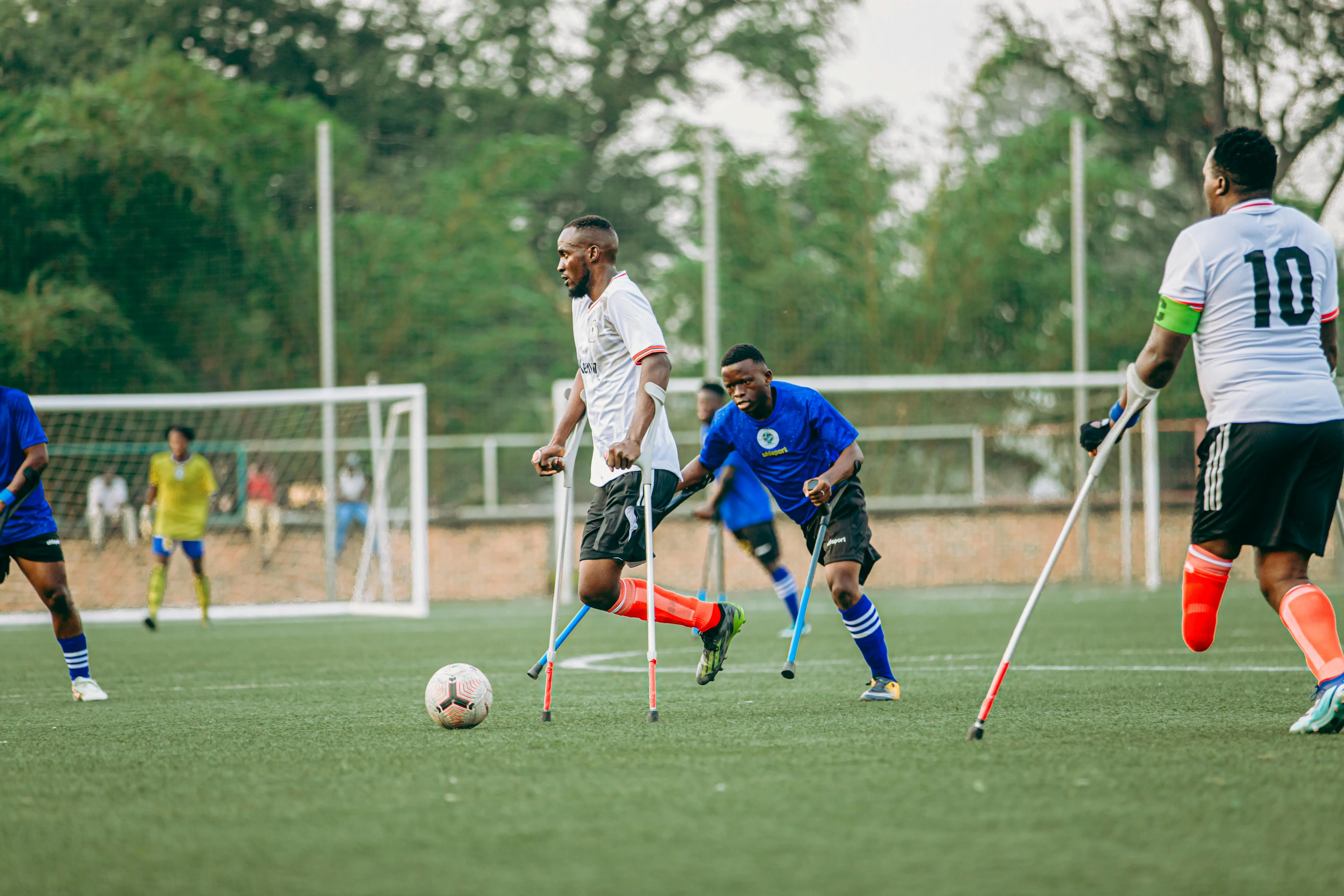
In Burundi, assistive technology remains largely inaccessible due to cost and availability. Our program directly addresses this gap.
- Subsidized or free wheelchairs, crutches, and mobility aids
- Locally appropriate hearing aids with fittings and follow-up
- Rehabilitation worker training on device adjustment and maintenance
- Family education on proper device use and care
- Advocacy to include assistive technology in national health insurance
Psychosocial conditions — anxiety, depression, schizophrenia, trauma — are among Burundi's most neglected health issues. We integrate mental health care directly into disability programs.
Services: individual counseling, group therapy, caregiver support groups, and CHW training in mental health first aid. We also work with traditional and religious leaders — often the first point of contact for people in distress.
Lasting change requires systemic work. We engage at national level alongside OPDs and the Ministry of Health.
- Inclusive health policy aligned with the CRPD
- Disability data integrated into health management information systems
- All health workers trained in disability-inclusive clinical practice
- Accessible health facility design standards for new construction
Health is inseparable from social participation. We run community awareness programs that challenge stigma, facilitate peer-support networks to reduce isolation, and make regular CHW home visits to people who cannot reach facility-based services.